NEP 2020 is turning Indian classrooms into engines of growth and global ideas
How Modi’s education policy is shaping India’s future through innovation and inclusion
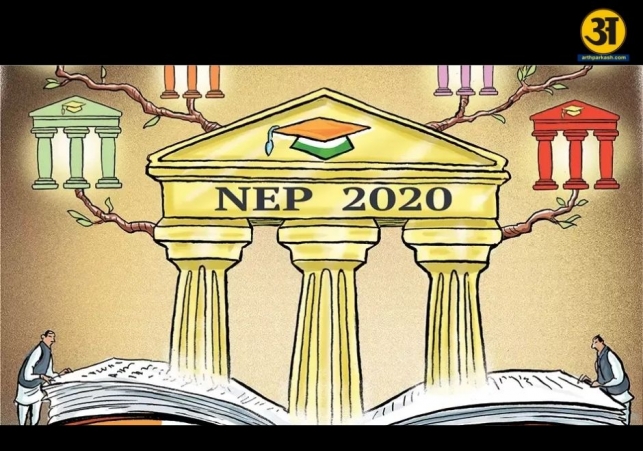
India is working towards an ambitious dream: becoming a fully developed and knowledge-based country by 2047, the 100th year of its independence. At the heart of this plan is education. Prime Minister Narendra Modi’s National Education Policy (NEP) 2020 is not just about improving schools or colleges—it’s about transforming how India learns, thinks, and innovates.
NEP 2020 aims to shift the focus of education from just getting a job to shaping a better society, building a strong economy, and becoming a leader in technology. The policy encourages creativity, research, and critical thinking across all levels of education—from schools to universities.
One major step in this direction is the creation of the National Research Foundation (NRF). This organisation will support new ideas, promote research, and help India become a major player in the global knowledge economy. NEP is about more than just school reform—it’s also an economic tool to prepare India for the future.
Modi’s education reforms are already showing results. India is now set to become the second most represented country in the 2026 World University Rankings, just behind the U.S. This is a major leap forward for India’s global academic standing.
Turning knowledge into progress on the ground
India’s education system has long focused on memorisation and exams. This created graduates who were not always ready to solve real-world problems. NEP 2020 is trying to change that by promoting project-based learning, critical thinking, and hands-on experience.
For example, engineering colleges in Uttar Pradesh that once produced rote-learned graduates are now working on real-life problems. With support from NEP funding, some students have built low-cost soil health sensors to help local farmers. This is education making a real impact in the field.
NEP encourages a shift from passive learning (just receiving information) to active learning (creating new ideas). This not only helps India’s economy but also prepares young people to become leaders and innovators.
By designing technologies and solutions for local problems, Indian students and researchers are gaining global attention. This helps rural development, boosts jobs, and avoids putting too much pressure on the environment.
The policy also treats education as a national resource, like roads or electricity. Building strong minds is now just as important as building infrastructure. Investments in education and research can bring massive returns—like better farming methods, smarter energy use, or the protection of India’s rich culture and languages.
NEP connects school learning, college education, and real-world jobs. It also supports programs like Digital India, Startup India, and Skill India. These efforts combined are helping young people launch startups, solve national challenges, and innovate for the future. It’s no surprise that India now has over 100 unicorn startups, with many more on the way.
Behind each success story is a teacher who encouraged questions, a university that nurtured creativity, and a policy that trusted in young talent. NEP gives structure to all these efforts so that progress becomes more widespread and systematic.
ALSO READ: Salt therapy gains popularity as a wellness trend, but experts urge caution
ALSO READ: Subtle signs of anxiety you might be missing in everyday life
Inclusivity, challenges, and the road ahead
One of the best features of the National Research Foundation is inclusivity. Research will no longer be limited to big institutions. Rural colleges, government schools, and tribal students will get support to solve local problems that can also help the world.
Imagine a student in Odisha discovering a new herbal remedy, or a village engineer designing low-cost irrigation tools that improve global food security. This is the kind of change NEP hopes to inspire. It also encourages women and marginalised communities to participate in research and education, helping build a fairer society.
NEP also promotes research in Indian languages and respects traditional knowledge, merging the wisdom of the past with the science of today.
But big reforms come with big challenges. India’s education system still faces problems like a lack of trained teachers, poor internet access in some areas, and slow-moving administration. It’s important to track the results of the NEP carefully and make sure money is spent wisely.
Also, we must remember that education is not only about profits. True research takes time, effort, and patience. The goal must remain long-term learning and innovation—not just short-term money-making.
By the time we reach 2047, the dream is to see students in rural labs conducting science experiments, researchers writing papers in local languages, and startups solving big problems like clean energy or food shortages. That will be the real sign of Viksit Bharat—a developed and thinking India.
In the end, education is the key that unlocks every door to growth. The NEP is helping India not just to develop economically but also to become a nation of ideas, creativity, and purpose. This is not just about building a better country, but about shaping a smarter future for the world.
Related News